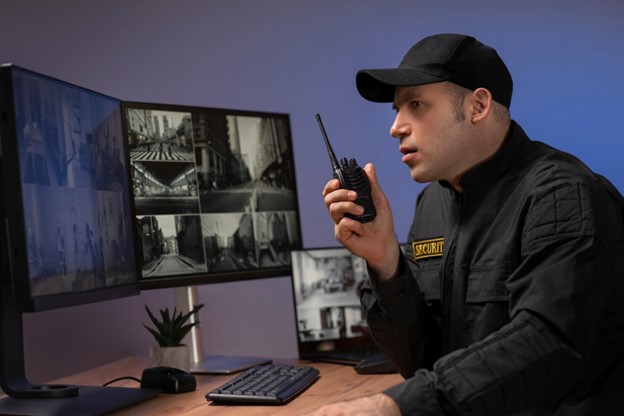
Security risks often increase during routine moments that feel operationally harmless. Staff breaks, handovers and shift changes are some of the most common periods when sites become vulnerable. In the case of commercial properties, construction sites, and events, a minor lapse may result in theft, illegal entry, or accidents. This blog describes the manner and reasons why security gaps emerge in such transitions, what the risks are and how the 24/7 security guard services can be used to keep watch. It is concerned with insights, site-ready and practical in line with communicating professional security services to clients.
Why Shift Changes Create Security Vulnerabilities
Shift changes are necessary, but they often involve moments where responsibility is unclear. Guards may be leaving their posts while replacements are still arriving. During this overlap, attention can shift from active monitoring to administrative tasks.
Common reasons gaps appear include delayed arrivals, rushed briefings, or incomplete handover notes. In busy environments such as commercial buildings or construction zones, these small timing issues can add up quickly.
When no one has clear control of access points, cameras, or patrol zones, the site becomes easier to exploit. Opportunistic threats often occur during these predictable transitions.
Risks During Staff Breaks
Breaks are another high-risk window if not managed correctly. Guards need rest to stay alert, but poor scheduling can leave areas uncovered.
Typical risks during breaks include:
- Entry points left unattended
- Reduced monitoring of CCTV systems
- Slower response to alarms or incidents
Where there are informal or unstructured breaks, there might be no clear backup. This is mostly dangerous during the night or when there is low traffic and few personnel at hand on the site.
Areas Most Affected by Coverage Gaps
Not all locations face the same level of risk during transitions. Some environments are more sensitive to short lapses in coverage.
Commercial Properties
Office buildings and retail spaces are dependent on restricted access. The unauthorized people may actually get inside during a change of shift particularly in the shared lobbies or loading areas.
Construction Sites
These sites often experience theft during early morning or late-night transitions. Tools, materials, and equipment are easy targets when patrols pause.
Residential Complexes
The handovers are vulnerable in terms of the concierge desks and parking areas. The residents might take security to be ongoing when it is temporarily low.
Events and Venues
Crowd movement during staff rotation can create blind spots. This can affect both safety and access control.
How Professional Handover Procedures Reduce Risk
Structured handover procedures are one of the most effective ways to prevent gaps. These procedures ensure accountability remains continuous.
Effective handovers include:
- Written or digital shift reports
- Verbal briefings covering incidents, risks, and patrol status
- Clear confirmation of responsibility transfer
When guards follow a consistent handover process, no area is left unmanaged. This also improves response time if an issue occurs immediately after a shift change.
Role of Night Coverage in Preventing Gaps
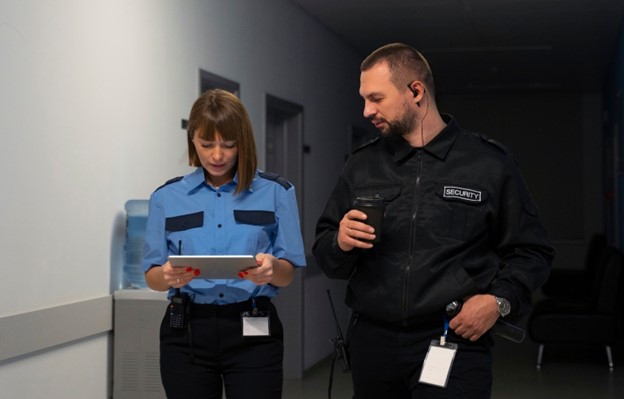
Many incidents happen during late hours when staffing is lighter. This is where Night patrol security services play a key role. Mobile and static patrols ensure that coverage continues even when on-site staff rotate.
Night patrols reduce risk by:
- Maintaining visibility during low-activity hours
- Checking vulnerable zones during guard breaks
- Responding quickly to alarms or unusual activity
These services are especially important for warehouses, construction sites, and large residential security patrols in West Vancouver, where full staffing at night may not be practical.
Scheduling Strategies That Minimize Exposure
Risk reduction consists of smart scheduling. Considering that overlapping by even a slight step can avoid coverage gaps.
Some of the important scheduling practices involve:
- Delayed start and delayed finish times.
- On-duty guards on high-risk days.
- Planned break rotations instead of simultaneous breaks
These strategies ensure that at least one trained guard is always actively monitoring the site. Over time, consistent scheduling also improves guard performance and accountability.
Technology Support During Transitions
Technology does not replace guards, but it supports them during vulnerable moments. CCTV, access logs, and alarm systems provide continuity when human attention shifts.
During shift changes, technology helps by:
- Recording activity for later review
- Alerting incoming guards to unresolved issues
- Monitoring access points during brief gaps
When combined with trained personnel, technology reduces reliance on memory or verbal updates alone.
Training and Experience Matter

Well-trained guards understand that transitions are critical moments. Experience teaches them to stay alert until responsibility is clearly passed on.
Professional training focuses on:
- Situational awareness during handovers
- Clear communication standards
- Incident reporting accuracy
This level of discipline is often missing in informal or understaffed security setups, which increases long-term risk.
Long-Term Impact of Unmanaged Gaps
Small gaps repeated may be disastrous. The claims of insurance, complaints of tenants and damaged reputation usually lead to avoidable laxities.
Over time, unmanaged gaps may lead to:
- Increased theft or vandalism
- Loss of client trust
- Higher liability exposure
Addressing these risks early is more cost-effective than responding after an incident.
Conclusion
Security lapses are predictable and can be avoided during the breaks and shift changes of the staff. Handover procedures properly laid, a good scheduling system, guards and efficient night cover will all help to increase the round-the-clock security. The properties can minimize the risk by locating some gaps and providing viable solutions to these gaps.
For businesses and property managers seeking reliable coverage across all hours, Cadmus Security Services provides professional solutions designed to eliminate transition-related vulnerabilities. Are your current security procedures strong enough during shift changes?
FAQs
1. Why are shift changes considered high-risk periods in security?
Because responsibility can be unclear during transitions, making it easier for incidents to occur unnoticed.
2. How often should security handover procedures be reviewed?
They should be reviewed regularly, especially after incidents or staffing changes, to ensure effectiveness.
3. Do night patrols replace on-site guards?
No. They support on-site coverage by adding visibility and response during low-activity hours.
4. Can technology alone prevent security gaps?
Technology helps, but trained guards and proper procedures are essential for full protection.