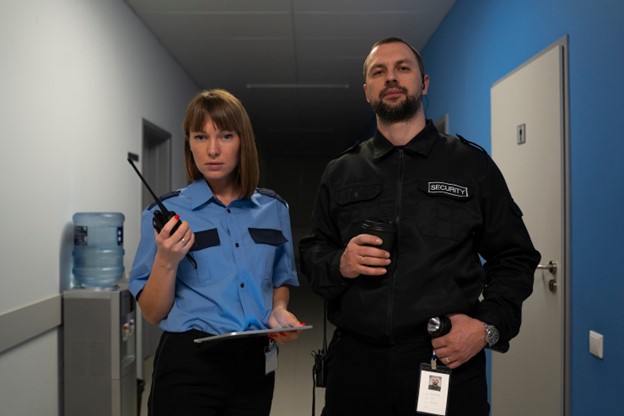
Security environments rarely stay static. Risks can shift within minutes due to human behavior, environmental factors or external threats. For property managers, businesses, event organizers and residential communities, understanding how emergency security services respond during escalation is critical. This blog explains how professional security teams identify, manage and control unexpected situations in real time.
It dwells on effective response techniques, communication networks and operational changes that contemporary security providers in risk-prone situations employ. The goal is to clarify what happens behind the scenes when standard security plans are no longer enough and why structured escalation response matters.
Understanding Escalation in Security Operations
An escalation happens as a security situation that is normal escalates to a more severe, urgent or possible damage. This is unpredictable and needs to be addressed on the spot.
Common Triggers for Escalation
Escalations are not limited to criminal activity. They often result from sudden changes in the environment or behavior.
These include:
- Unauthorized access attempts or forced entry
- Verbal disputes are turning aggressive
- Equipment failure, such as alarms or access control
- Medical emergencies on-site
- Crowd movement changes during events.
Security personnel are trained to spot warning signs before it is too late and a situation can be controlled.
Real-Time Threat Assessment and Decision-Making
In case the situation is getting out of hand, assessment is paramount. Supervisors and guards consider the severity, location and the possible impact.
On-the-Ground Evaluation
Trained personnel use observation, communication, and predefined protocols to make rapid decisions. This reduces hesitation and limits risk exposure.
Security teams start by finding out whether it is a single threat or a spreading threat, the people involved and the immediate risk to people or property. Such an initial assessment enables them to act within what is right, acceptable and geared towards minimum harm and generally keeping the site safe.
Adjusting Security Coverage Immediately
Static coverage rarely works during escalation. Security teams adapt deployment based on risk.
Dynamic Resource Allocation
Security supervisors may increase guard presence in affected zones or redeploy mobile patrol units.
Adjustments often involve:
- Redirecting guards from low-risk areas
- Locking down access points
- Activating perimeter controls
- Increasing patrol frequency
These changes happen quickly and are guided by live communication between guards and command staff.
Communication Protocols During High-Risk Situations
Clear communication prevents confusion and delays. Escalation responses rely on structured reporting and updates.
Internal Coordination
Radios, mobile applications, and centralized monitoring systems help security teams keep in touch with one another in case of an active situation. These tools facilitate the use of continuous status reports, proper recording of incidents, effective supervisor instructions, and easy communication with control rooms. It is essential to keep information accurate and up-to-date because any misunderstanding is likely to slow down the response and predispose the further occurrence of the incident.
Coordination With Emergency Services
When internal resources are insufficient, external support is activated.
Working With Authorities
Security teams know when to involve police, fire services, or medical responders. This decision is based on threat level and legal requirements.
Security staff assist by:
- Securing access routes
- Providing incident details
- Managing crowds during response
- Preserving evidence when required
This coordination ensures faster resolution and reduced liability for the property owner.
Technology Support During Escalation
Technology plays a major role in escalation management.
Surveillance and Access Systems

CCTV, access control, and alarm systems provide real-time data that supports faster decisions.
During escalation, teams may:
- Monitor live camera feeds
- Lock or unlock doors remotely.
- Trigger alerts across locations
- Track movement patterns
This technology-backed approach allows security teams to respond with accuracy instead of assumptions.
Post-Incident Control and Stabilization
Once the immediate threat is contained, security operations shift to stabilization.
Securing the Environment
This stage focuses on restoring safety and reducing the risk of repeat incidents. Security teams conduct detailed area inspections, complete incident documentation, check all security equipment, and hold guard debriefings. Providers also review the effectiveness of the response to identify gaps, improve procedures, and strengthen future security readiness across the site.
Why Local Experience Matters in Escalated Situations

Local knowledge improves reaction speed and compliance.
A Protective Security service Vancouver understands regional risks, municipal regulations, and coordination procedures with local authorities. This familiarity allows faster escalation handling without operational friction. Local teams also understand neighborhood-specific risks such as construction activity, event schedules, or high-traffic zones, which directly impact response strategy.
Training and Preparedness as a Core Advantage
Response to escalation is based on preparation and not improvisation. Training guards are taught about conflict de-escalation, emergency response procedures, proper incident reporting and legal limits of force and understanding by professional security providers. Drills are performed regularly to ensure that the responses are consistent, calm and effective even in cases where the situation turns out to be stressful and unpredictable.
Conclusion
Sudden escalation is a fact of the contemporary security environment. The key to an effective response is a quick evaluation, the ability to deploy flexibly, effective communication and coordination with the emergency service. The security providers working through a well-organized protocol and local knowledge mitigate the risk and restore control at a faster rate. Selecting a provider who is conversant with the process of escalation management is more likely to provide safer results for people and property. To have reliable and professional security services, call Cadmus Security Services.
FAQs
1. What causes security situations to escalate unexpectedly?
Escalation can result from unauthorized access, aggressive behavior, system failures, or medical emergencies that require immediate intervention.
2. How do security teams decide when to involve emergency responders?
Security supervisors assess threat severity, legal requirements, and safety risks before contacting police, fire, or medical services.
3. Why is local security experience important during emergencies?
Local teams understand regional risks, response protocols, and authority coordination, which improves speed and accuracy during escalation.
4. How often should escalation response plans be reviewed?
Response plans should be reviewed regularly and updated after incidents, site changes, or regulatory updates to remain effective.