Property owners often focus on cameras, locks, and lighting. These factors are important but they just present half the story. The trained security guards observe the patterns, behaviors and vulnerabilities that cannot be detected by the fixed systems. Their role goes beyond presence. It is about awareness, timing and prevention. This blog explains what guards notice during daily patrols, how those details affect safety, and why professional oversight strengthens building security service Vancouver operations. The goal is to highlight practical insights that improve protection without adding unnecessary complexity.
Daily Security Observations Most Owners Miss
Security guards work in active environments. Their observations are shaped by movement, repetition, and human behavior.
Changes in Normal Activity
Guards quickly notice when routines change. A door used only in the morning suddenly opening at night stands out. A delivery that arrives at a new time raises attention. These shifts often signal operational issues or early security risks.
Over time, guards learn:
- Which entrances are active and which should remain closed
- When staff movement slows or increases
- What activity is normal for weekends versus weekdays
Property owners rarely see these patterns because they are not on-site consistently.
Access Points That Create Hidden Risk
Numerous security issues originate at entry points that seem innocent. There are usually unmonitored side doors, common entrances or a lack of well-secured gates that can be easily exploited by unauthorized access. These locations pose a vulnerability that may result in bigger incidents and undermine the overall property security without regular oversight.
Doors, Gates, and Shared Areas
Side doors propped open for convenience, loading bays left unattended, or shared parking access without oversight all create exposure. Guards identify these weak points during patrols and note how often they are used incorrectly.
They also monitor:
- Tailgating through secure entrances
- Malfunctioning access controls
- Unlocked secondary doors after business hours
These issues are easy to miss without regular physical checks.
Human Behavior Is a Bigger Factor Than Equipment
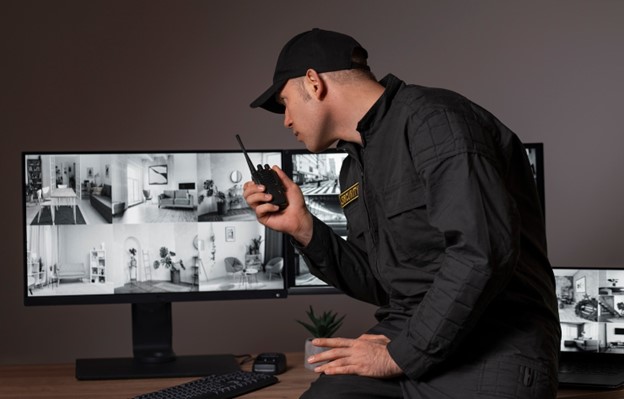
Human awareness is not substituted with security equipment.
Behavioral Red Flags
Guards are trained to observe people, not just spaces. Loitering, repeated pacing, or individuals testing reactions are signs that technology alone cannot interpret.
Common behavioral indicators include:
- People watching staff routines
- Vehicles returning multiple times without a purpose
- Individuals avoid well-lit areas
These observations allow early intervention before an incident occurs.
Environmental Details That Affect Safety
Small physical details can lead to significant security gaps if they are overlooked. Poor lighting, blocked sightlines, or unsecured access points may seem minor, but they often create opportunities for unauthorized activity. Regular inspections help identify and correct these issues before they impact overall safety and luxury property security in West Vancouver.
Maintenance and Visibility Issues
Guards notice when lighting fails, cameras are blocked, or landscaping creates blind spots. These issues reduce visibility and invite unwanted activity.
They regularly report:
- Burned-out lights in parking areas
- Overgrown shrubs near entrances
- Obstructed camera angles
Addressing these details improves safety without major upgrades.
How Mobile Patrols Reveal Patterns Over Time

Static security systems capture isolated moments, such as specific entries or incidents. Patrols, however, reveal patterns over time by observing repeated activity, timing, and behavior. This broader view helps identify ongoing risks, understand site dynamics, and make informed security decisions that support long-term prevention rather than reactive response.
Value of Regular Movement
With Mobile Security Services Vancouver, guards cover multiple properties and timeframes. This creates a broader view of neighborhood activity and recurring risks.
Mobile patrols help identify:
- Repeated trespassing attempts
- After-hours access patterns
- Seasonal security changes
This information helps property owners adjust security plans before problems escalate.
Why Incident Prevention Depends on Observation
Most incidents do not happen without warning.
Early Indicators
Guards often spot signs days or weeks before a serious issue occurs. These may include small policy violations, unusual behavior, or environmental neglect.
Effective security observation helps reduce theft and vandalism by identifying risks early. It enables faster response times when incidents occur and improves coordination with property management. This proactive approach ensures issues are addressed quickly, responsibilities are clear, and overall site safety and control are consistently maintained.
Owners benefit when security teams share these insights regularly.
Communication Gaps Between Owners and Security Teams
A common security challenge is poor information flow between property owners and security teams. When updates, observations, or operational changes are not shared clearly, risks can be missed. Consistent communication ensures guards stay informed, reports are acted upon, and security measures remain effective and aligned with site needs.
Clear Reporting Matters
Guards document observations that owners may not review closely. When reports are discussed, security improves.
Effective communication includes:
- Reviewing daily activity logs
- Acting on minor recommendations
- Updating guards on operational changes
This collaboration turns observation into action.
Why Professional Security Adds Long-Term Value
Security guards are not just responders. They are risk identifiers.
The presence of professional security assists in the deterrence of opportunistic conduct by making the potential risks visible and trackable. It enhances adherence to rules by employees and visitors with the help of regular supervision and control. The assistance of trained guards facilitates safer environments through the detection of problems at a very early stage and immediate response. Collectively, these will minimize the level of uncertainty, increase control within the property, and provide a safer and better-managed environment in which to conduct day-to-day business.
Conclusion
Security guards observe trends, habits and landscape information, which are not possible to detect by fixed systems and periodic visits to sites. From access misuse to subtle behavioral changes, these observations help prevent issues before they become incidents. Property owners who value consistent oversight gain stronger protection and clearer insights. To strengthen your property’s security approach, work with experienced professionals like Cadmus Security Services.
FAQs
1. What do security guards notice that cameras cannot?
Guards notice behavior patterns, intent, and environmental changes that cameras record but do not interpret.
2. How does mobile patrol improve property safety?
Mobile patrols identify recurring risks across different times and locations, allowing early prevention.
3. Are access point issues a common security problem?
Yes. Propped doors, shared entrances, and unattended gates are frequent sources of security breaches.
4. How often should security observations be reviewed?
Daily or weekly reviews help property owners act on minor issues before they escalate.