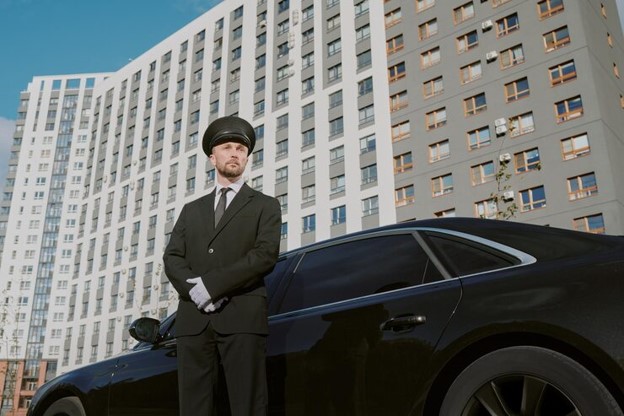
At 2:00 a.m., the roof creaks loudly, followed by a trail of screams echoing through the lobby of a busy rental building Situations like this happen every single weekend in high-density housing developments across Canada. When neighbors fight over noise, parking, or obstruction of shared furniture, baggage handlers generally can’t be around to deal with it. Therefore, Residential And Corporate Security Services in Vancouver groups are taught to step in before these small arguments escalate into legal liability or physical fights.
Managing these tense moments requires a delicate mix of customer service and law enforcement principles. This blog breaks down exactly how modern security officers de-escalate residential disturbances quietly, safely, and professionally.
The Core Philosophy: Verbal De-escalation Over Force
Physical intervention is always the absolute last resort for a guard. A well-trained guard relies on psychological techniques to lower the temperature in a room long before things get physical. The goal is to move the resident from an emotional state back into a rational one.
When a guard arrives at the scene of a loud celebration or tenant dispute, they use certain communication frameworks. They begin with active listening, which threatens Piss of Resident to unleash its initial anger. Officers keep their posture open, maintain uninhibited eye contact, and deliberately reduce the volume of the conversation. Of course, one man or woman is talking slowly, and the other person is cool enough to just hear them.
A Real-World Look at Conflict Resolution
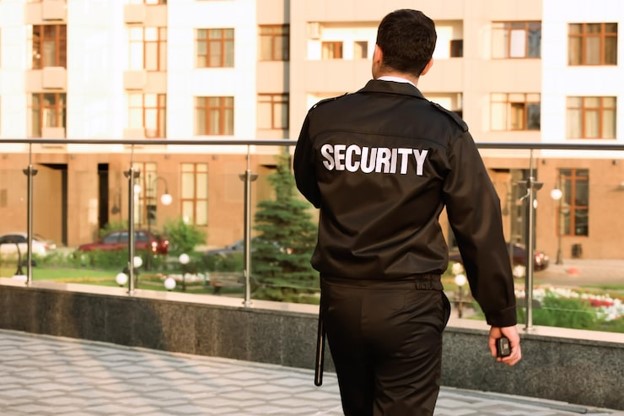 Consider a common scenario that occurs in residential complexes. The tenant on the 1/3rd floor hosts a party trap with loud music later at night. Without delay, the tenant tires beneath them, loses control, and moves up to meet them. A shouting match starts inside the common hallway.
A Residential Security Guard Services in Vancouver notices the noise or receives a complaint from another unit. Here is the exact step-by-step process the officer uses to resolve the situation cleanly:
Separate the Parties: The officer immediately stands between the two residents, creates physical space, and asks one party to step back near their own door to talk separately.
Acknowledge and Validate: The guard tells the complaining neighbour that they understand why sleep is important, making them feel heard right away.
State the Rules Clearly: The guard reminds the party host about the specific building bylaws regarding quiet hours, moving the blame from a personal complaint to an official building policy.
Create a Direct Compromise: Instead of threatening to evict them or call the police immediately, the guard asks the host to turn off the bass and move the guests inside, giving them an easy way to comply without losing face.
This simple routine handles roughly 90% of nightly building disturbances without any further escalation.
Why Layered Protection Matters for Multi-Unit Properties
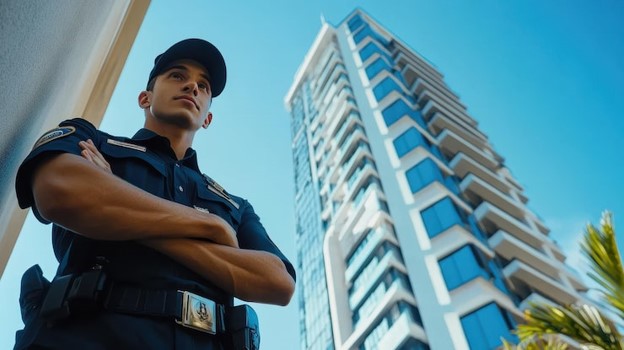
Every city presents unique challenges for property managers. High-density areas require hands-on local expertise to handle the sheer volume of tenant interactions. Security needs to understand the specific neighbourhood dynamics, municipal noise bylaws, and police response times. Whether implementing specialised Residential security services in Winnipeg programs to counter Midwest property challenges or deploying large-scale teams on the West Coast, local environmental knowledge is everything.
A good protection plan combines on-site guards with physical tech assets like CCTV monitoring and smart access control panels. When guards can check camera feeds before walking into a dark hallway or parking garage dispute, they already know how many people are involved and whether the situation involves intoxication or vandalism. This integrated approach is exactly why many property groups look for comprehensive Residential And Corporate Security Services in Vancouver providers to secure their real estate investments.
Managing High-Liability Incidents and Building Trust
Sometimes, a dispute involves severe issues like trespassing, property damage, or domestic arguments. In these high-risk moments, guards follow strict liability protocols. They document every single detail in a digital daily logbook, noting exact times, quotes, and visual evidence. This paperwork protects property owners from future legal issues or insurance disputes.
If a resident refuses to cooperate or becomes explicitly violent, the officer knows exactly when to back off and call local police services. Knowing where that legal line stands is what separates a professional security agent from a basic building concierge. Regular training ensures that guard teams stay sharp, calm, and ready to protect the peace of your community.
Conclusion
Handling neighbourhood arguments smoothly takes a lot of patience, deep knowledge of local building bylaws, and excellent communication skills. When security officers use clear verbal tools and stay neutral, they keep small issues from turning into massive headaches for property management.
If you want to keep your residential community safe, peaceful, and well-protected, get in touch with Cadmus Security Services today to learn about our customised protection options.
FAQs
What do on-site guards do during a loud neighbor dispute?
Guards respond to the specific unit, document the noise level, and speak directly with the resident causing the issue. They politely remind the tenant of the property bylaws and ask for immediate compliance, logging the entire event for the property manager.
Can a residential security guard legally detain someone during a building disturbance?
Guards generally operate under property owner authority and citizen arrest laws. They only detain individuals if a serious criminal offense is committed on the property or if there is an immediate safety threat, preferring to let local police handle arrests.
How quickly can a mobile security patrol respond to a tenant complaint?
Response times depend on your specific service contract. Many premier agencies utilize localized GPS dispatching to ensure a mobile patrol vehicle arrives at your building within a short window to resolve issues quickly.
Why should a building hire a professional security service instead of relying on a live-in caretaker?
Professional guards undergo rigorous provincial licensing, criminal background checks, and specific conflict resolution training. They understand how to manage volatile situations safely without exposing the building owners to massive legal liabilities.