Three thousand people packed into a downtown Vancouver venue for a music festival last summer, and within twenty minutes of the doors opening, a medical emergency broke out near the main stage. Nobody panicked. Nobody even noticed until the crowd parted like someone had drawn a line with chalk. That’s what a trained event security service in Vancouver actually looks like when it’s working right. Not flashy, not loud, just quietly effective.
Crowd management sounds simple until you’re standing in the middle of five thousand strangers who all want the same exit at the same time. This blog breaks down what actually goes wrong at events, why professional security changes the outcome, and what to look for if you are planning something with more than a handful of guests walking through the door.
Why Crowds Turn Risky Faster Than People Expect
Crowds aren’t dangerous because people are bad. They’re dangerous because of physics, honestly. Once you get a density above roughly four people per square meter, individual control disappears. People stop moving on their own and start moving because the mass around them moves. That’s called crowd crush, and it’s killed people at concerts, religious gatherings, and sporting events around the world, including the tragic Astro World incident in 2021, where the venue lacked adequate crowd flow planning.
Most event organizers plan for the fun part. The lineup, the catering, the lighting. Few plan for what happens when six hundred people all try to leave through one narrow doorway at 11 pm.
A few things tend to trigger crowd risk without anyone intending it:
- Bottlenecked entry or exit points that were not stress-tested against actual headcount
- Alcohol service without pacing controls, which speeds up erratic behavior later in the night
- Poor sightlines for staff, meaning trouble builds for ten minutes before anyone spots it
None of these is dramatic on its own. Stack two or three together, and you’ve got a real problem brewing.
What Trained Security Actually Changes
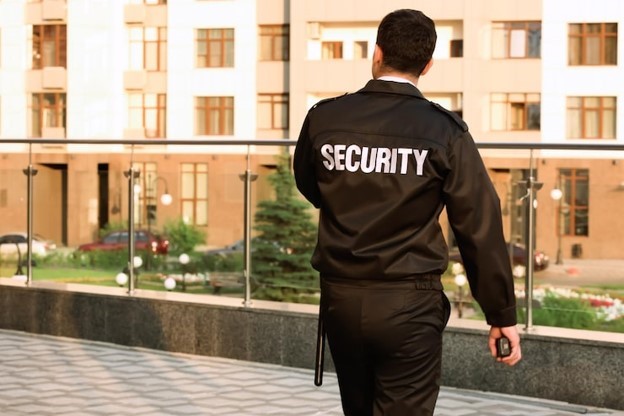
Here’s the thing people miss. A security guard standing at a door isn’t really there to look intimidating. Their real job is reading the room before the room knows something’s wrong.
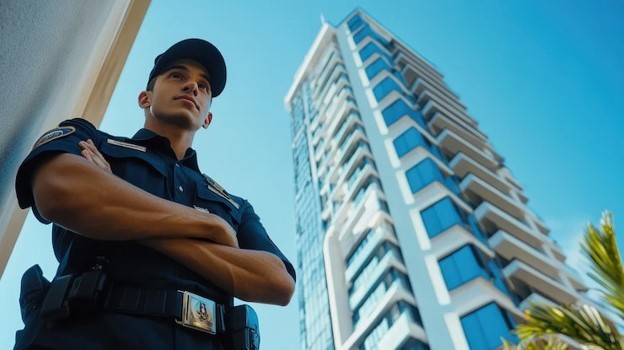
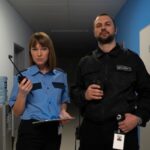
Cadmus guards working events go through scenario-based training that covers de-escalation, first aid response, and crowd flow, not just standing still in a uniform. That distinction matters more than most planners realize until they’ve hired the wrong kind of coverage once.
Early Detection Beats Reaction Every Time
A trained eye can spot the early signs of a crowd tightening up long before it becomes visible to the average attendee. Shoulders getting squeezed. People are raising their arms to protect their chests. Voices are getting louder near a specific spot. These are all early indicators, and catching them at minute two instead of minute twelve is the entire difference between a minor adjustment and an emergency evacuation.
Positioning Is Not Random
Good event security specialists do not just stand wherever it looks good. They map the venue beforehand, walk the exits, count the doors, and place people at chokepoints rather than in the middle of open space. It’s a bit like chess, actually. You are not reacting to the crowd; you’re already three moves ahead of it.
Communication Systems That Actually Work
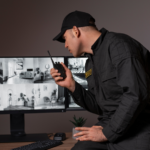
Radios sound old-fashioned, but they still beat texting during a live event every single time. A coordinated team with a clear chain of command can move information across a venue in seconds. Compare that to relying on venue staff pulling out phones mid-crisis, and you can see why professional coordination matters so much.
Real World Example: What Happens Without It
There was an incident at a Toronto nightclub a few years back where inadequate staffing at the entrance led to overcrowding well past the legal capacity. When a fire alarm triggered, the resulting exit crush caused several injuries, purely because there were not enough trained staff managing flow at the doors. Compare that to venues with proper event security services Vancouver businesses now hire as standard practice, where capacity counts are tracked in real time, and exits are actively monitored rather than just marked with a sign.
The difference isn’t about having more bodies in the room. It’s about having the right people in the right spots doing the right job.
What To Look For When Hiring Event Security
Not every security company handles crowds the same way. Some are built for static guarding, like standing outside a warehouse overnight, which is a completely different skill set than working a live event with moving bodies and rising energy.
Ask potential providers about their experience with:
- Licensed guards trained specifically in BC crowd management protocols, not just general security certification
- Emergency response drills, including how they’d handle a medical event or sudden evacuation
- Pre-event site walkthroughs, since a guard who’s never seen the venue layout is already behind before the doors even open
If a company cannot answer those questions with specifics, that’s usually a sign they are better suited for lower-risk jobs, not a five-hundred-person launch party or festival.
The Human Side Nobody Talks About
There’s a softer part of this job, too. Good guards defuse tension with conversation before it ever gets physical. A calm voice, a bit of humor, genuinely knowing how to talk someone down. That skill does not show up on a resume, but anyone who’s run a busy event knows it’s worth more than most training certificates combined.
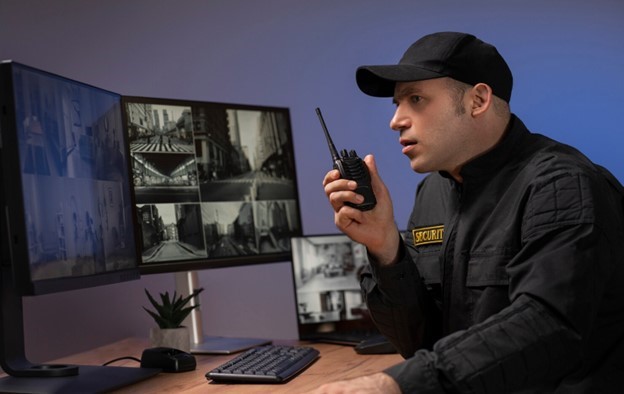
I’ve heard from clients who said the moment they realized their security team was doing something right wasn’t during a big incident. It was during a small one that never became a big one. Someone got separated from their group, panicked a little, and a guard walked them calmly to the info booth before it turned into anything. Nobody in the crowd even noticed. That’s really the whole point. The best event security specialists make risk disappear quietly, not dramatically.
Conclusion
Crowd risk builds slowly and usually starts small, long before it looks dangerous to the untrained eye. Proper planning, trained staff, and clear communication systems are what actually prevent the worst outcomes, not luck. When you’re evaluating providers, ask about real experience with live events, not just general guard licensing.
Events run smoother, safer, and with far less stress for organizers when the right team is watching the crowd, not just standing near it. That peace of mind is exactly what Cadmus Security Services aims to deliver for every event, big or small, across Vancouver.
FAQs
How many security guards do I need for my event in Vancouver?
It depends on venue size, expected headcount, and layout, but a common industry guideline is one guard per 75 to 100 attendees for standard events, with more coverage needed for high-energy crowds like concerts or festivals.
What’s the difference between static security and event security services in Vancouver?
Static security focuses on guarding a fixed location like a building or construction site, while event security specialists are trained specifically in crowd flow, de-escalation, and rapid response for temporary, high-density gatherings.
Do event security guards need special licensing in BC?
Yes. All security workers in British Columbia must hold a valid license through the Security Programs Division, and event-specific roles often require additional first aid and crowd management training beyond the basic requirement.
When should I book event security for my event?
Most experienced providers recommend booking at least three to four weeks ahead so there’s time for a proper site walkthrough, staffing plan, and coordination with venue management before the actual event date.